Waltham Forest Council rules for hazardous waste disposal: a practical guide for households and small businesses
If you are trying to work out the Waltham Forest Council rules for hazardous waste disposal, you are probably dealing with a messy, slightly stressful job already. Old paint tins in the shed, a leaking bottle of cleaner, batteries, fluorescent tubes, used chemicals after a DIY project... it all adds up quickly. And the rules matter, because hazardous waste is not just "rubbish you do not want anymore" - it can be harmful to people, pets, staff, drains, and the environment if it is handled badly.
This guide explains the basics in plain English: what hazardous waste is, how local council rules usually work, what to do before you dispose of it, and the mistakes that cause the most trouble. It is written to help you make a safe, sensible decision without wading through jargon. Let's face it, nobody wants a chemistry lesson just to throw something away.
For readers who also care about cleaner, safer homes and workplaces, you may find our recycling and sustainability approach useful as background, and if you need help keeping interiors clean after a renovation or deep clean, our health and safety policy shows the kind of care we expect from any responsible service.
Table of Contents
- Why Waltham Forest Council rules for hazardous waste disposal matters
- How the disposal process works
- Key benefits and practical advantages
- Who needs this and when it makes sense
- Step-by-step guidance
- Expert tips for better results
- Common mistakes to avoid
- Tools, resources and recommendations
- Law, compliance, standards and best practice
- Options, methods and comparison table
- Case study or real-world example
- Practical checklist
- Conclusion
- Frequently asked questions
Why Waltham Forest Council rules for hazardous waste disposal Matters
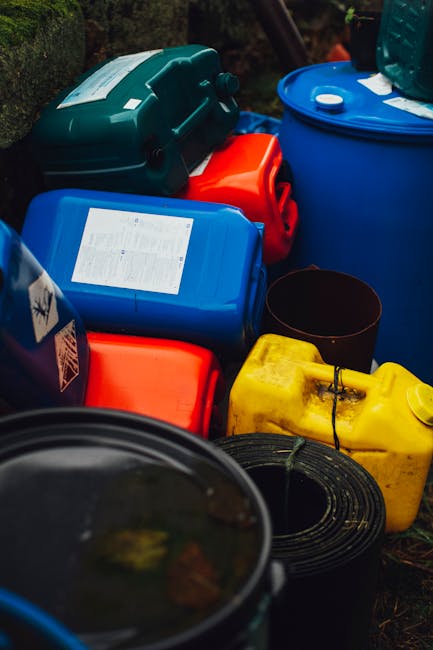
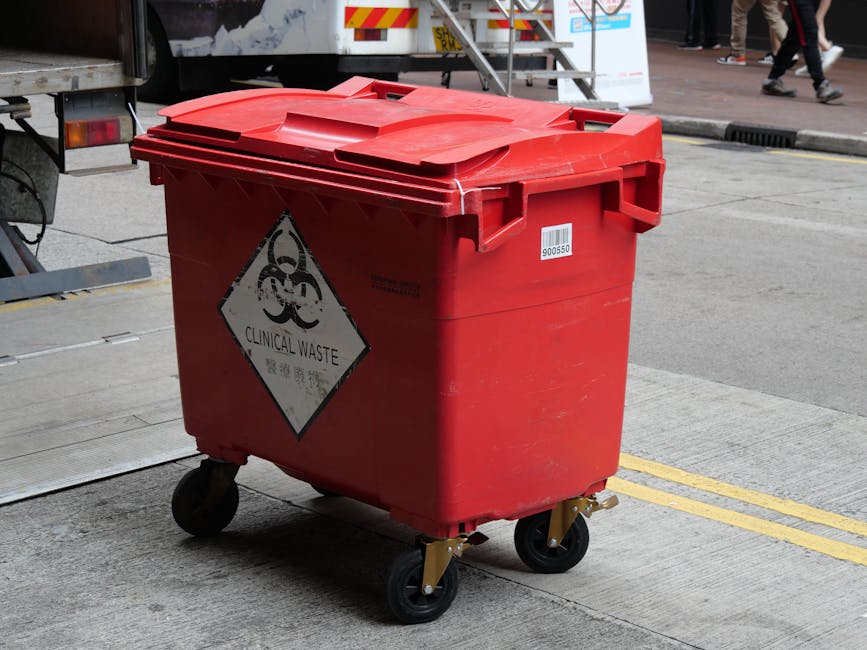
Hazardous waste needs more care than normal household rubbish because it can contain chemicals, sharp components, pressurised containers, toxic residues, oils, solvents, acids, asbestos, or other materials that can cause harm. In a home, that might mean a half-used tin of paint or a box of old batteries. In a business, it could be cleaning chemicals, contaminated rags, printer toner, fluorescent lamps, or maintenance waste.
The local council rules exist to reduce risk and make sure waste goes to the right place. That matters for three very ordinary reasons. First, safety: you do not want a spill in the boot of your car, a cracked container in the kitchen cupboard, or fumes building up in a sealed bag. Second, environmental protection: hazardous liquids and powders can damage drainage systems and contaminate soil or water. Third, legal responsibility: if you produce the waste, you are generally responsible for making sure it is managed properly until it is handed over in the approved way.
There is also the practical side. If you sort the waste properly before disposal, you are less likely to be refused at a collection point or told to come back with the right packaging. That saves time, fuel, and the kind of frustration that makes you mutter at the car park barrier. It is one of those jobs where five minutes of preparation can save an afternoon.
Expert summary: hazardous waste disposal is mostly about correct identification, safe packaging, and using the right local route. When in doubt, pause and verify before you throw it in with general waste.
How Waltham Forest Council rules for hazardous waste disposal Works
In practice, hazardous waste disposal usually follows a simple logic: identify the item, separate it from ordinary waste, make it safe to transport or store, and use the council-approved route or another lawful disposal method. The council may set rules about what it accepts, how items must be presented, and whether certain waste types need special handling or booking ahead.
The details vary depending on the material. A paint tin with a small amount of dried residue is one thing; a container with wet solvent in it is another. A domestic battery is handled differently from a pile of chemical waste from a workshop. The same goes for garden chemicals, oils, and electronic items with hazardous components. The label on the container often helps, but do not rely on the label alone if the contents have been mixed, decanted, or stored for years in a garage corner.
For most people, the safest approach is:
- Keep hazardous items separate from normal rubbish.
- Do not mix different chemicals together.
- Leave items in their original containers where possible.
- Seal containers properly and store them upright.
- Check whether the council accepts the item, and under what conditions.
- Use gloves and avoid inhaling fumes if there is any leakage or residue.
If you are handling waste after a deep clean, refurbishment, or end-of-tenancy job, keep your own clean-up routine organised too. Our stain removal guidance and steam carpet cleaning service pages can be useful if you are trying to get a property back into shape after a messy project. Not the same as hazardous waste disposal, of course, but the same basic mindset applies: handle materials properly and do not guess.
A lot of people ask, "Can I just take it to the tip?" Sometimes yes, sometimes no. Some hazardous items are accepted only in certain forms or quantities, and some need specific packaging or pre-arrangement. That is why reading the local rules before you leave the house is worth the extra few minutes.
Key Benefits and Practical Advantages
Following the correct hazardous waste disposal route is not just about compliance. It also makes everyday life easier, cleaner, and safer. Here are the main benefits in real terms.
- Reduced safety risk: you avoid leaks, fumes, burns, and accidental contact.
- Cleaner storage at home or work: hazardous items are easier to control when they are grouped, labelled, and contained.
- Better compliance: you are less likely to breach council rules or waste duty requirements.
- Less contamination: hazardous waste does not end up in general recycling or mixed rubbish by mistake.
- Faster disposal: once sorted properly, the drop-off or collection process tends to go more smoothly.
- Lower stress: to be fair, there is a lot to be said for simply knowing the job is done correctly.
There is also a small but important trust benefit. If you are a landlord, facilities manager, cleaner, or small business owner, showing that you handle waste responsibly helps demonstrate care and professionalism. People notice those details. They might not say it out loud, but they do notice the tidy storage area and the absence of random chemical bottles in the bin store.
If your business depends on a clean environment, the broader systems matter too. Our commercial carpet cleaning page shows how a structured, safety-aware approach carries through in professional settings, while our insurance and safety information gives a sense of the precautions a responsible operator should be taking.
Who This Is For and When It Makes Sense
This topic matters for more people than you might think. In fact, a lot of hazardous waste starts in completely ordinary settings. A household DIY cupboard. A school storage room. A letting agent's void property. A cafe kitchen. A barber shop. A small office with old toner cartridges and battery backups. Nothing dramatic, just the normal stuff life leaves behind.
You should pay close attention if you are:
- a homeowner clearing out a shed, garage, loft, or airing cupboard
- a tenant moving out and finding old chemicals or batteries
- a landlord clearing a property after abandonment or refurbishment
- a small business handling cleaning chemicals or maintenance supplies
- a facility manager sorting out lamps, batteries, toner, or old equipment
- anyone dealing with leftover products that are labelled corrosive, toxic, flammable, or harmful
It also makes sense to double-check the rules if the item looks ordinary but is not. Some cleaning products, adhesives, and polishes do not look dangerous, yet they can still count as hazardous waste because of their composition. That is the sneaky bit. The bottle looks harmless enough until you read the label properly.
If your work regularly produces dirty upholstery, stained rugs, or mattresses that need proper treatment after a tenant turnover, it may help to keep a broader maintenance routine in place. See our pages on upholstery cleaning, rug cleaning, and mattress cleaning for examples of how a controlled, methodical approach prevents bigger problems later.
Step-by-Step Guidance
If you want a simple way to deal with hazardous waste without overthinking it, follow this sequence. It is not glamorous, but it works.
1. Identify the waste properly
Read the label, check for hazard symbols, and think about how the item was used. A container that once held a hazardous substance may still need special handling even if it looks nearly empty. If you are unsure, treat it cautiously.
2. Separate it from normal waste
Do not place hazardous items in household rubbish bags, mixed recycling, or food waste. Keep them apart in a secure box, tray, or crate so they cannot tip over. A little organisation here prevents a lot of mess later.
3. Keep containers closed and upright
This sounds obvious, but it is one of the most common slip-ups. Screw lids on tightly, check for cracks, and avoid stacking heavy items on top of anything fragile. If a container is leaking, place it inside a second container where appropriate and safe to do so.
4. Check the local disposal route
Look up the council's current guidance on what is accepted, what must be booked, and whether there are any quantity limits. For some items, special handling is needed. For others, the route may simply be a designated drop-off option. The important thing is not to assume.
5. Transport it safely
Put the waste somewhere stable in the vehicle, away from children, pets, food, and anything that might be damaged by a leak. Ventilate the car if there are fumes. If the item smells strong enough to make you wrinkle your nose, take that as a sign to be extra careful.
6. Hand it over correctly
Follow any instructions on presentation, sorting, or inspection. If asked to separate items by type, do that. If labels are required, keep them visible. If staff advise that something cannot be accepted, do not argue on the spot - sort out the issue calmly and come back prepared.
7. Record what you have done if you are a business
Businesses often need better documentation than households. Keep notes of what was discarded, when, and how. That habit is useful even for small operators. It saves headaches if anyone later asks what happened to a batch of waste.
Expert Tips for Better Results
Here is the kind of practical advice that tends to save time in real life.
- Keep a dedicated hazardous waste box. One labelled container for batteries, aerosols, old chemicals, and light bulbs makes sorting much easier.
- Do not decant unless absolutely necessary. Original packaging is usually clearer and safer than improvised containers.
- Store away from heat. Garages and sheds can get warm in summer, and some materials do not appreciate that one bit.
- Take photos of uncertain items. If you later need help identifying them, the label and container condition matter.
- Dispose earlier rather than later. Hazardous waste has a habit of becoming "that thing in the corner" for months.
- Use gloves and good ventilation. Basic precautions are usually enough for simple household items, but never be casual with unknown liquids or powders.
A small but useful tip: if you are clearing a property, do the hazardous waste first, not last. That way you are not packing it away at the end of a long day when everybody is tired, hungry, and slightly less careful than they should be. Been there, seen the spill, would rather not repeat it.
For businesses with customer-facing premises, a tidy waste routine also fits with the values set out in our about us and terms and conditions pages: clarity, responsibility, and no surprises.
Common Mistakes to Avoid
Most problems with hazardous waste disposal come from a short list of avoidable mistakes. If you dodge these, you are already ahead of the game.
- Mixing chemicals together: this can create dangerous reactions or make disposal impossible.
- Putting hazardous waste in general rubbish: it may be illegal, and it puts waste handlers at risk.
- Assuming "nearly empty" means safe: residues can still be harmful.
- Ignoring labels and symbols: the wording is there for a reason, even if it is a bit dull to read.
- Using weak containers: thin bags and cracked tubs are asking for a leak.
- Leaving items unlabelled after decanting: that is how confusion starts.
- Not checking council acceptance rules: different waste types can have different handling requirements.
Another common issue is overconfidence. People think, "It's only one bottle" or "I've done this before." Usually nothing goes wrong, and then one day it does. A slow leak onto a shelf, a smell in the boot, a wet patch on cardboard. Small things, but annoying and avoidable.
Tools, Resources and Recommendations
You do not need expensive equipment to deal with most household hazardous waste safely. A few basic items are often enough.
| Item | Why it helps | Practical note |
|---|---|---|
| Heavy-duty gloves | Protects hands from residue and minor contact | Choose a size that fits well so you do not fumble |
| Rigid plastic tray or box | Contains leaks and keeps items upright | Better than a thin bag for liquids and aerosols |
| Marker pen and labels | Helps identify items after storage | Useful if containers have faded labels |
| Paper towels or absorbent material | Useful for small drips during containment | Dispose of contaminated materials carefully |
| Mask or ventilation plan | Reduces exposure to fumes | Open windows and avoid enclosed spaces where possible |
As for recommendations, the simplest one is this: create a habit of sorting waste at source. Do not wait until the box room is overflowing. A few minutes each month is usually easier than a big clear-out twice a year. If you run a business, make that habit part of your cleaning or maintenance routine rather than a separate headache.
If you need a quote for professional cleaning after a property clear-out, you can review our pricing and quotes information. And if your question is more about how we operate safely and responsibly, our contact route is there when you need a straightforward answer. Keeping things simple helps.
Law, Compliance, Standards, and Best Practice
Hazardous waste disposal in the UK sits within a wider framework of environmental and waste responsibilities. The exact obligations depend on whether you are a household or a business, what kind of waste you have, and how much of it there is. Because local arrangements can change, the safest approach is to follow the current Waltham Forest Council guidance and any site-specific instructions you are given.
For households, the big picture is straightforward: keep hazardous waste separate, do not contaminate normal waste streams, and use approved disposal routes. For businesses, the expectations are usually tighter. You may need clearer records, better storage, and a more formal handover process. If you produce waste regularly, it is sensible to treat disposal as part of compliance rather than an afterthought.
A few best-practice principles are widely relevant:
- Duty of care: waste should be managed responsibly from the point it is produced until it is handed over.
- Correct classification: know what the waste is before deciding how to dispose of it.
- Safe containment: use packaging that prevents leaks, spills, or breakage.
- Segregation: do not mix incompatible materials.
- Traceability for businesses: keep records where appropriate.
There is one thing worth saying plainly: if an item could be dangerous and you are not sure how to classify it, do not improvise. That is the point where a careful pause is smarter than a rushed decision. A quick check now can prevent a much bigger problem later.
Options, Methods, or Comparison Table
Different waste types call for different disposal methods. Here is a simple comparison to help you choose the right route without getting tangled up in detail.
| Method | Best for | Advantages | Limitations |
|---|---|---|---|
| Council collection or drop-off route | Typical household hazardous items | Local, familiar, usually cost-effective | May have item limits, booking rules, or acceptance restrictions |
| Specialist waste contractor | Business waste, larger volumes, awkward items | More tailored handling and documentation | Can be more expensive |
| Retail return or take-back scheme | Specific products like batteries or certain electrical items | Convenient for small quantities | Only works for eligible products |
| Staged storage until approved disposal | Mixed waste being sorted before a single disposal run | Helps avoid mistakes and contamination | Needs proper storage discipline |
If you are comparing options, ask yourself three things: how risky is the waste, how much of it is there, and who is responsible for it? Those answers usually point you in the right direction pretty fast. In a small household clear-out, the council route may be enough. In a commercial setting, you may need more structure.
Case Study or Real-World Example
Imagine a small landlord in Waltham Forest clearing a flat after a long tenancy. In the kitchen cupboard there are old aerosol cleaners, a nearly full bottle of drain opener, a few batteries, and a cracked tub of paint left from a previous repair. Nothing dramatic, just a common post-tenancy mix.
The sensible approach is to separate each item, check the labels, keep the liquids upright in a rigid box, and identify the correct disposal route before making the trip. The landlord also notices a musty sofa and some marks on the hallway carpet from moving furniture in and out. Those are not hazardous waste problems, exactly, but they are part of the same broader clean-up picture. If the property needs a proper reset, services such as sofa cleaning and carpet cleaning can help restore the space once the risky materials are gone.
What made the difference in this example was not fancy equipment. It was simply taking the waste seriously, not mixing things together, and not rushing the handover. The whole job felt easier once the hazardous items were dealt with first. A bit boring, yes. Also effective.
Practical Checklist
Use this checklist before disposing of hazardous waste in Waltham Forest.
- Have I identified the item correctly?
- Is the waste separated from normal rubbish and recycling?
- Are containers sealed, upright, and not leaking?
- Have I avoided mixing different substances?
- Do I know whether the council accepts this item and under what conditions?
- Do I need gloves, ventilation, or a second container?
- Have I arranged transport so the waste will not tip or spill?
- Do I need to keep a record of disposal for business purposes?
- Have I stored it away from children, pets, heat, and food?
- Am I confident enough to dispose of it, or do I need to confirm the details first?
If you can tick those off, you are usually in a good place. Not perfect, maybe. But safe and sensible, which is the real target here.
Get a free quote today and see how much you can save.
Conclusion
The Waltham Forest Council rules for hazardous waste disposal are there to help you keep people safe, protect the local environment, and avoid unnecessary mistakes. Most of the process comes down to simple habits: identify the waste, keep it separate, store it safely, and use the correct disposal route. That is the heart of it.
Whether you are a homeowner clearing out the garage or a business sorting regular maintenance waste, a calm, organised approach pays off. It saves time, reduces risk, and makes the whole job feel much less chaotic. And honestly, that matters. A tidy disposal routine is one of those quiet wins you only appreciate once it is done.
Take your time, check the details, and trust the cautious option when something looks uncertain. A careful decision today can spare you a headache tomorrow - and that is no small thing.
Frequently Asked Questions
What counts as hazardous waste in Waltham Forest?
Hazardous waste usually includes items that are flammable, toxic, corrosive, harmful, or otherwise dangerous, such as certain chemicals, solvents, paint products, batteries, aerosols, oils, and some electrical or maintenance waste. If a label suggests risk, treat it carefully.
Can I put hazardous waste in my normal bin?
No, not unless the item is clearly accepted as ordinary waste by the relevant guidance. Hazardous materials should be kept separate so they do not contaminate household rubbish or recycling streams.
Do I need to keep hazardous waste in the original container?
Whenever possible, yes. Original containers usually provide the clearest identification and safest storage. If a container is damaged, use a secure secondary container and keep the item clearly labelled.
What should I do if a container is leaking?
Isolate it, avoid direct contact, and place it in a stable secondary container if that can be done safely. Do not mix it with other waste. If the leak is serious or the contents are unknown, seek advice before moving it much further.
Are businesses treated differently from households?
Often, yes. Businesses commonly have stronger responsibilities around storage, records, and correct handover of waste. If waste is produced regularly, a more formal system is usually sensible.
Can I take hazardous waste to a recycling centre myself?
Sometimes, but only if the centre accepts that item and you follow any rules about packaging, quantities, and presentation. Check first rather than turning up and hoping for the best. That rarely ends well.
What happens if I mix different chemicals together?
Mixing chemicals can create dangerous reactions, fumes, or spills, and it can also make the waste harder or impossible to accept. Keep different substances apart unless you have been clearly instructed otherwise by a competent waste handler.
How do I know if something is still hazardous when it is nearly empty?
Empty-looking containers can still hold residue, fumes, or dangerous traces. Do not assume "nearly empty" means safe. Check the label and handle it according to the risk shown on the packaging.
What is the safest way to transport hazardous waste?
Keep it upright, secure it so it cannot move around, and place it away from passengers, children, pets, and food. A boot tray or rigid box is much better than loose bags rolling about in the car.
Do I need special paperwork for household hazardous waste?
Usually not for ordinary household disposal, but it depends on the route you use and the item involved. Businesses may need more documentation. If you are unsure, ask before disposal rather than after.
What are the most common mistakes people make?
The biggest mistakes are mixing waste types, using weak containers, ignoring labels, and guessing about acceptance rules. Most of those problems are easy to avoid once you slow down and check the item properly.
Where can I get help if I am still unsure?
Use the current local guidance first, and if you need practical support with property clean-up or post-renovation maintenance, our team information and service pages are a good place to start. If you need to talk through a job, a direct conversation usually clears things up quickly.